ARISE Leadership Transformation Programme Series

From capacity to performance.

An ICF-informed pathway to positive transformation for individuals and organisations, through mentorship by serving leaders and positive psychology support.

The programme at a glance

weeks of structured programme
12
months of follow-up after completion
6
leaders per cohort, in circles of four
12
participation goals per leader, in their own words
2–3
steward mentors per cohort, about 2.5 hours a week each
3
outcome questions, each reported separately
4

Planning assumptions for the pilot design, to be confirmed before launch. Two tracks, individual and corporate, run on one method: Scope, Frame, Ideate, Build, Sustain.

Development trains capacity. Results need performance.

Capacitywhat a leader can do in a standard setting

Performancewhat the leader does in their own environment

The gappoints to the environment

Fig. 1. Capacity and performance, the distinction the programme takes from the WHO ICF.
Capacity
What a leader can do in a standard setting: the workshop, the case study, the coaching room.
Performance
What the leader actually does in their own environment: the Monday meeting, the sceptical board, the stretched team.

When the two differ, the gap points to the environment: a barrier to remove or a support to keep.

The WHO International Classification of Functioning, Disability and Health (ICF) draws this distinction for health and functioning. The programme applies it to leadership, so every plan works on the person, the task and the setting together.

Five lenses on one leader

Each ICF component asks a question. GCI translates it for leadership, so the person, the task and the setting are seen together.

  1. 1

    Inner capacities

    Energy, attention, emotional regulation, confidence.

    ICF: Body functions (psychological). Which functions affect the person’s goals?

  2. 2

    Leadership tasks

    Deciding, delegating, giving feedback, planning.

    ICF: Activities. Which tasks are difficult or achievable?

  3. 3

    Roles

    First-time manager, founder, new executive, successor, returner.

    ICF: Participation. Which life roles does the person want to enter or sustain?

  4. 4

    Context

    Culture, sponsor, team, workload, decision rights, attitudes.

    ICF: Environmental factors. Which features of the setting help or hinder?

  5. 5

    Story

    Strengths, values, culture and coping preferences, in narrative form.

    ICF: Personal factors. What matters in this person’s history and preferences?

The leadership translation is GCI’s own design application. It is not a WHO-prescribed programme or an official ICF Core Set, and participants are not coded.

Three engines, one agreed plan

What each part does, and what it does not do.

The three engines of the programme
EngineWhat it contributesWhat it does not do
ICF structureA shared language for goals, tasks, roles and environment, so mentor, coach and sponsor work on the same plan.Choose the intervention or prove that it works.
MentorshipGCI stewards, serving board members, CEOs, CFOs and CTOs, who have held the role the participant is aiming for.Replace the sponsor who controls the participant’s working environment.
Positive psychologyPractices that build on what is already strong: character strengths, hope, efficacy, resilience, optimism and meaning.Provide clinical assessment or treatment.

All three contribute to one agreed plan, reviewed against observable results in the participant’s real environment.

Twelve weeks, then six months of follow-up

Entry and shared assessment, goal setting, practice, environmental action, then review and follow-up.

  1. 1

    Scope

    Weeks 1–2

    Entry conversation. Five-lens profile. Baseline measures. Mentor and sponsor matched.

  2. 2

    Frame

    Weeks 3–4

    Two or three participation goals, each with a baseline, a review date and observable criteria.

  3. 3

    Ideate

    Weeks 5–6

    Design the experiments: strengths to use, tasks to practise, environmental changes with named owners.

  4. 4

    Build

    Weeks 7–12

    Practise in the real setting. Fortnightly review. Environmental actions delivered and confirmed.

  5. 5

    Sustain

    Months 3 and 6 after

    Follow up on whether the role outcome held, and what support it still needs.

Scope, Frame, Ideate and Build are GCI’s existing design-thinking method. Sustain is added because a result that fades after the programme is not yet a result.

Two tracks, one method

Only the route to the environment changes.

Individual track

For
Leaders at a role transition: first-time managers, founders, new executives, successors, leaders returning after a break.
Entry
Personal application, or through GCI membership.
Environment
The participant recruits a sponsor where one exists; otherwise the plan concentrates on what the participant controls.
Reporting
The participant owns the record.
Follow-up
Three and six months.

Corporate track

For
Cohorts of 8 to 12 leaders from one organisation.
Entry
An enterprise engagement with a named executive sponsor.
Environment
Each participant’s line sponsor signs a compact of dated actions.
Reporting
The organisation sees themes and agreed adjustments, in aggregate.
Follow-up
Three and six months, plus a check that adjustments are still in place.

Same five-lens profile, same goals discipline, same follow-up at three and six months.

Success stories

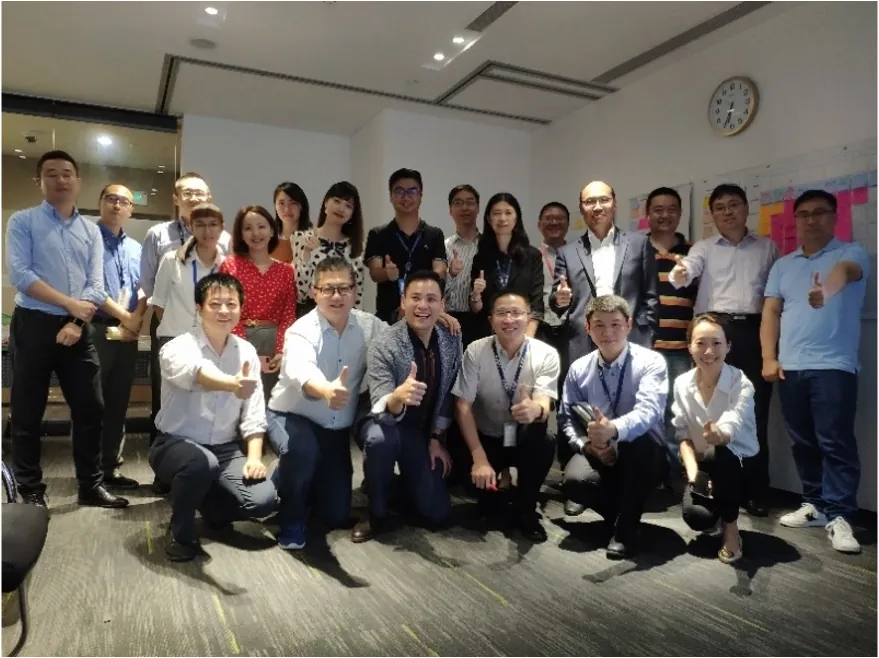
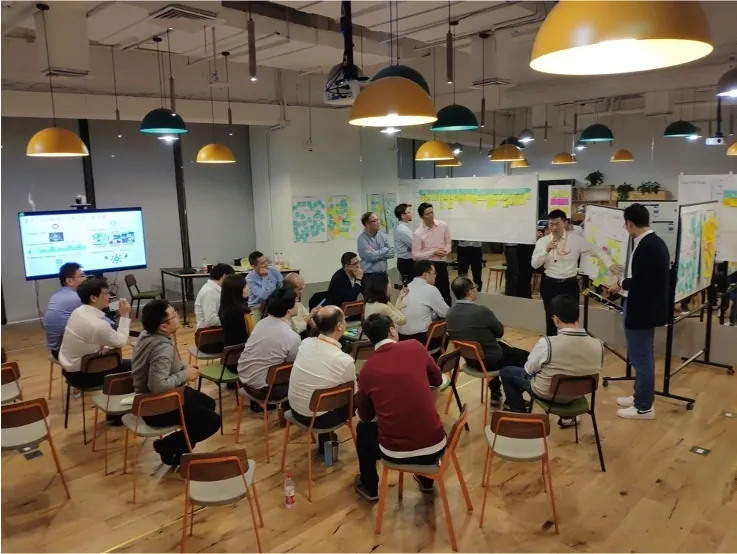
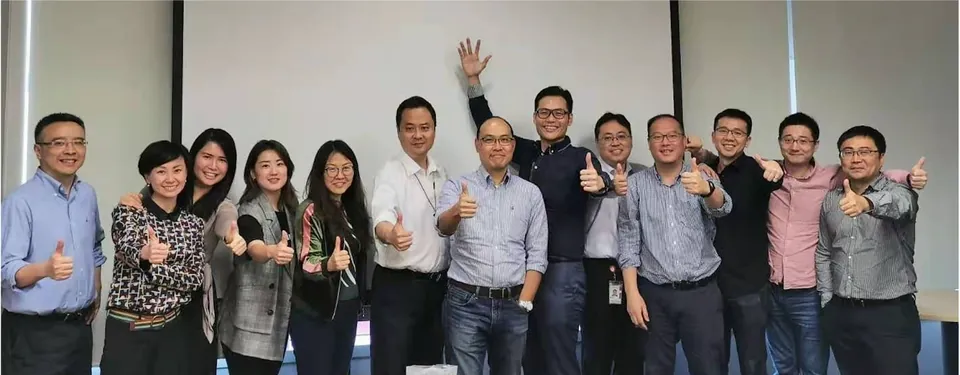
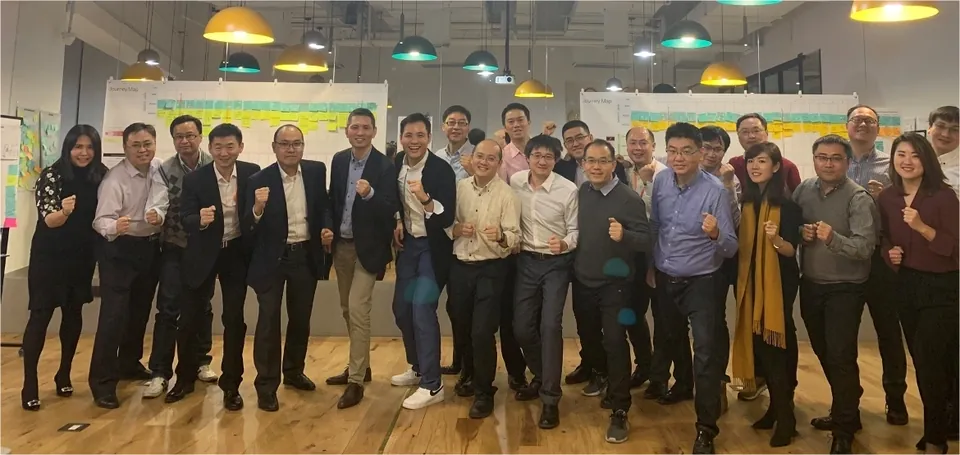
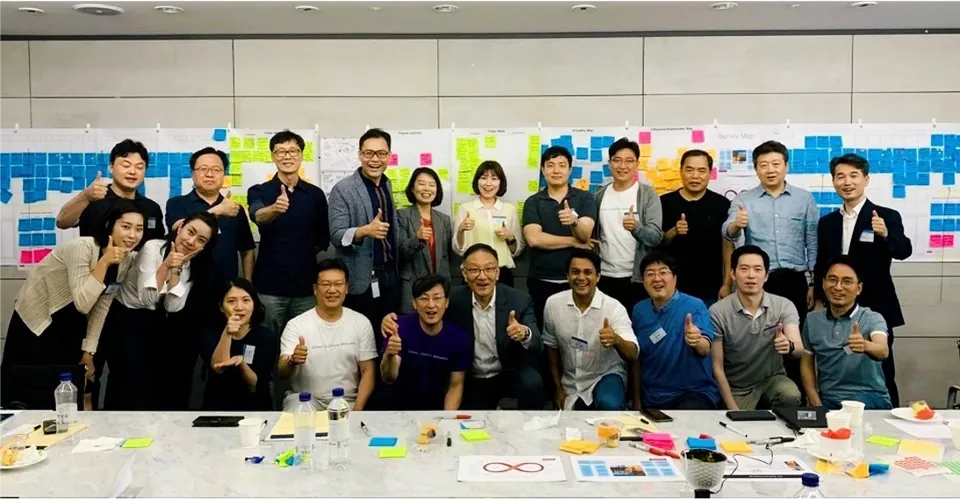
Cohorts and workshops GCI has run with leading organisations, delivering capability and job-impact outcomes.

Proven outcomes with

These are earlier GCI engagements. The ARISE Leadership Transformation Programme Series pilot has not yet run, and its results will be reported only after follow-up.

Dr Benjamin Mah, Founder and Programme Director of GameChanger Institute.
Dr Benjamin Mah (DrM)Founder and Programme Director

Stewards who have held the role

GCI stewards are serving board members, CEOs, CFOs and CTOs. They teach from practice, convene small circles and meet each mentee one-to-one. Mentors are matched on the role the participant is aiming for and on the participant’s own stated preferences.

The Institute also convenes leaders through:

  • Global Leaders Roundtable
  • Keynote and Guest of Honour platform
  • Structuring key partnerships
  • Media leaders features
About the Institute

What this programme is, and what it is not

Credibility depends on describing the model accurately.

It is

  • ICF-informed leadership development, described factually.
  • Mentoring and coaching by experienced leaders and a credentialed coach.
  • Evaluated prospectively, with neutral and negative results kept.

It is not

  • WHO-accredited or WHO-endorsed. Adopting the ICF confers neither.
  • A clinical psychology service. No diagnosis, no therapy, and a clear referral route.
  • A coding exercise. No ICF qualifiers, and no individual record shared with an employer.

No success rate is announced until follow-up has happened.

Build the capacity.Change the environment.Measure the participation.

The first open cohort will run as a prospectively evaluated pilot of twelve leaders. Register interest and we will contact you before enrolment opens.